Willsboro · NY · US
Adirondack-Champlain Guide Service
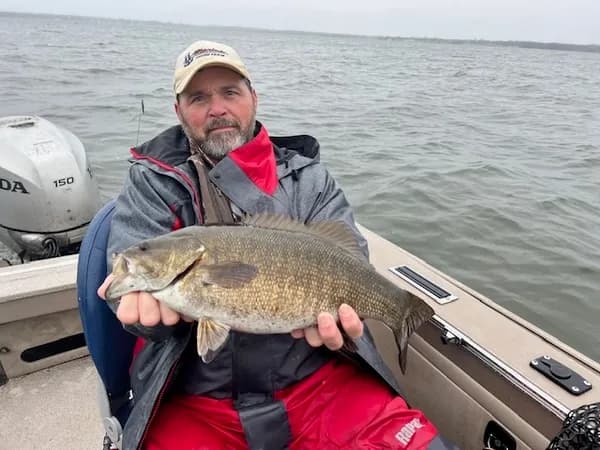
With 45 years reading Lake Champlain and the Adirondack backcountry, this guide orchestrates a year-round symphony of smallmouth, pike, landlocked salmon, and trout — each season delivering its own trophy moment.
At a Glance
With 45 years reading Lake Champlain and the...
Adirondack Park spans six million acres across upstate New York, a landscape carved by glaciers into a patchwork of alpine peaks, deep lakes, and freestone streams. The park straddles the transition between the Appalachian highlands and the Canadian Shield, creating distinct fishing zones: the High Peaks region in the south holds cold, clear lakes and streams where brook trout thrive at elevation; the northern lowlands and western plateau offer larger impoundments where landlocked salmon and lake trout dominate; the eastern edge, bordering Lake Champlain, provides access to both warmwater species and cold-water tributaries.\n\nBrook trout fishing here means small streams and ponds, often requiring bushwhacking or canoe access. The Ausable River, which drains into Lake Champlain on the park's eastern boundary, is the region's premier trout water—a freestone system known for dry-fly fishing and pocket water. Larger lakes like Raquette Lake, Saranac Lake, and Tupper Lake hold landlocked salmon and lake trout that respond to trolling and deep jigging; these waters also connect to a network of portage routes that define Adirondack paddling culture. The park's elevation ranges from lake level around 200 feet to 5,344 feet at Mount Marcy, and this vertical relief means water temperatures vary dramatically—high-elevation ponds stay cold year-round, while lower lakes warm enough for summer recreation.\n\nAccess is distributed across the park: the High Peaks region centers around Lake Placid and Keene Valley; the Saranac Lakes cluster sits west of Lake Placid; Raquette Lake anchors the central plateau; and the Ausable drainage provides the most accessible roadside trout water. Most of the park is publicly owned and managed by the Department of Environmental Conservation, with lean-tos and campsites scattered throughout. Spring through early fall is prime season, though the park's latitude and elevation mean water conditions can shift rapidly. Guides here specialize in both backcountry canoe-and-fish trips and day-trip stream work, and many lodges cater to multi-day stays combining fishing with hiking or paddling.
Smallmouth Bass FishingPrimary Method
Jan-DecSeason
GuideProperty Style
Willsboro · NY · USLocation
Location
Adirondack-Champlain Guide Service
Willsboro, NY, US
Approximate location
Species & Seasons
Target species and seasons
CrappiePrimary
TenchAvailable
GarAvailable
Red SalmonAvailable
Northern PikeAvailable
Lake TroutAvailable
Methods
Fishing methods and approaches
My guiding year in the Adirondacks is a dynamic dance with the seasons, each offering a unique flavor of fishing. Spring, from late April through May, is a prime time as the waters begin to warm. This is when the landlocked salmon and trout fishing really kicks into high gear, with opportunities for both river and lake excursions. As summer arrives, the focus shifts to the explosive action of smallmouth and largemouth bass, along with northern pike. The warmer months bring consistent bites, especially during the early mornings and late evenings, and we can also target lake trout and salmon in the deeper, cooler waters. Fall, from September through November, is when the fish really pack on the pounds for the coming winter. This is often when the largest fish of the year are caught, making it a highly sought-after period for trophy hunters. Even winter offers its own brand of adventure with ice fishing for pike, perch, crappies, lake trout, salmon, and smelt, providing year-round opportunities for the dedicated angler.
Smallmouth Bass FishingPrimary
Largemouth Bass FishingAvailable
Northern Pike FishingAvailable
Walleye FishingAvailable
Lake Trout FishingAvailable
Landlocked Salmon FishingAvailable
This profile is growing — details are confirmed directly with the lodge.
Exclusive Offers
Direct Booking
No Booking Fees
Book directly with the lodge
VOIAGE Exclusive Offer
Coming Soon
Reserved for the Voiage community