Evergreen · CO · US
Pat Dorsey Fly Fishing
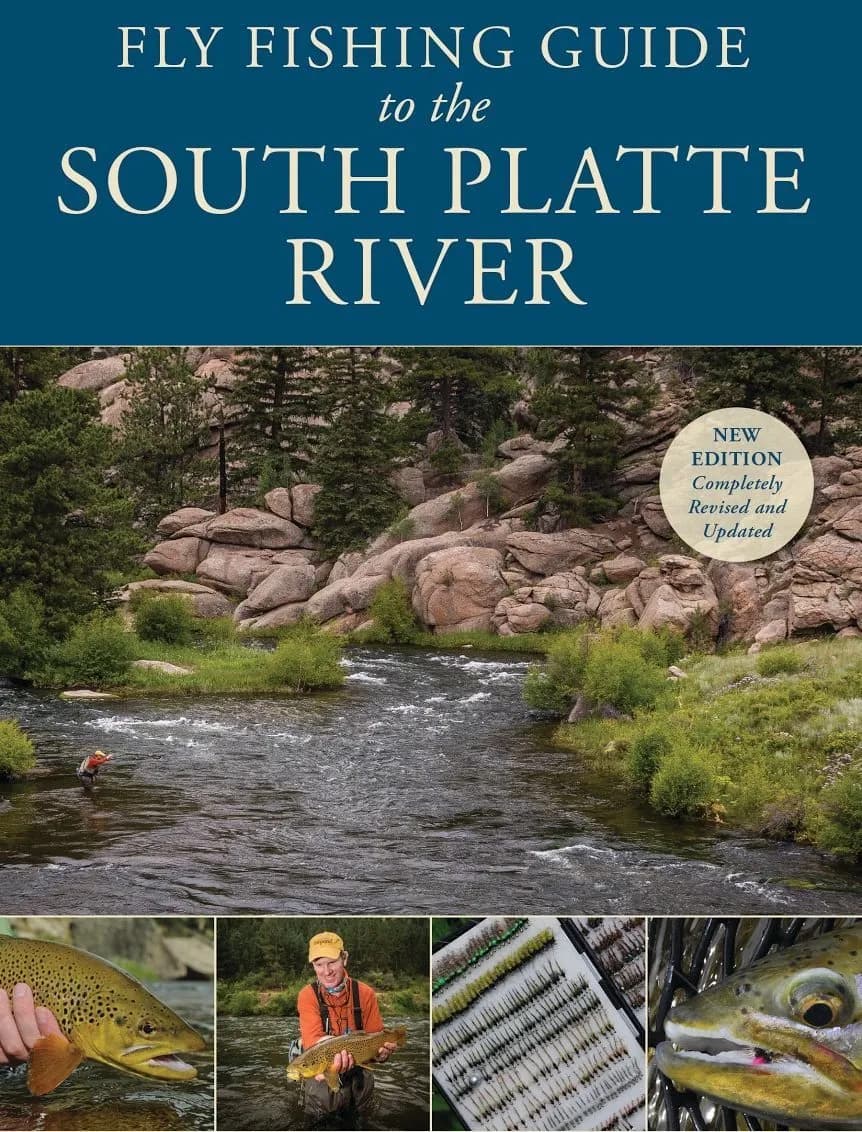
Pat Dorsey has spent three decades mastering Colorado's tailwaters and high alpine streams—from midge-precise winter fishing on the South Platte to explosive summer stonefly hatches—and hosts destination trips to Bristol Bay, Patagonia, and Brazil for anglers seeking world-class fly water.
At a Glance
Pat Dorsey has spent three decades mastering Colorado's...
Colorado's trout waters span from alpine headwaters to dam-controlled tailwaters, each with distinct character and fishing. The state's rivers originate in the Rocky Mountains above 10,000 feet, where small creeks hold native cutthroats and brookies, then descend through canyons and valleys where browns and rainbows dominate. Most productive sections are tailwaters—the San Juan below Navajo Reservoir, the South Platte below Cheesman Dam, and the Taylor River below Taylor Park Reservoir—where stable flows and consistent temperatures create year-round dry-fly opportunities. These tailwaters are technical: clear water, selective trout, and small flies (size 18–24) are the norm. The San Juan, Colorado's most famous section, runs gin-clear and holds dense populations of large browns; the South Platte near Denver offers accessible wade fishing within an hour of the city; the Taylor River combines pocket water and flats, ideal for both nymphing and dry-fly work. Higher-elevation freestone sections—the North Fork, Middle Fork, and upper Colorado River—offer a different appeal: faster water, fewer anglers, and the chance to sight-cast to wild fish in pocket water. Brook trout and cutthroats thrive here, and the fishing is more about reading current and structure than matching hatches. Spring and fall bring the best conditions; summer runoff can push flows high, while winter closes many high-altitude sections. Access is generally good, with public land and established access points on major rivers, though private ranches control prime stretches. Guides and outfitters are abundant, particularly around Steamboat Springs, the Taylor River drainage, and the South Platte corridor, making it easy to dial in local conditions and technique for your target water.
Fly FishingPrimary Method
Jan-DecSeason
GuideProperty Style
Evergreen · CO · USLocation
Location
Pat Dorsey Fly Fishing
Evergreen, CO, US
Approximate location
Species & Seasons
Target species and seasons
Cutthroat TroutAvailable
Peacock BassAvailable
Lake TroutAvailable
Northern PikeAvailable
Common CarpAvailable
Tiger TroutAvailable
Rio Grande Cutthroat TroutAvailable
Methods
Fishing methods and approaches
My guiding year follows the rhythm of Colorado's diverse fisheries, from the technical tailwaters to the high mountain streams. Winter fishing, from November through February, focuses on the slow, deep pools of tailwaters like the South Platte, where trout conserve energy in cold water and feed on midges. As spring arrives in March, rising water temperatures and the baetis mayfly hatch signal increased trout activity in the riffles. Late spring and summer, from May through August, bring prolific hatches of caddis, stoneflies, and mayflies, with trout concentrating in faster, oxygenated water like pocketwater. Autumn, from September through October, offers consistent dry-fly fishing as water temperatures cool, and brown trout prepare for spawning. I also host destination trips to world-class fisheries in Patagonia, Alaska, and Brazil, offering unique seasonal experiences.\n\nThroughout the year, I emphasize understanding seasonal lies and adapting tactics to water temperatures, insect activity, and time of year. Whether it's precise dead-drifting tiny midges in winter or targeting aggressive trout during summer stonefly hatches, my goal is to help anglers improve their skills and productivity on the water, year-round.
Fly FishingPrimary
Wade FishingAvailable
Drift BoatAvailable
Fly FishingAvailable
FreshwaterAvailable
Guided TripsAvailable
This profile is growing — details are confirmed directly with the lodge.
Exclusive Offers
Direct Booking
No Booking Fees
Book directly with the lodge
VOIAGE Exclusive Offer
Coming Soon
Reserved for the Voiage community