Edinburgh · Scotland · GB
Scotia Fishing
Callum Conner has spent 11 years mastering Scotland's most storied salmon and trout rivers—the Tay, Tweed, and Teith—reading seasons and water like few others, with expeditions to Greenland, Iceland, and Argentina rounding out his year-round expertise.
At a Glance
Callum Conner has spent 11 years mastering Scotland's...
Scotland's fishing spans two distinct seasons and geographies. The Highlands—from Sutherland in the far north to Argyll in the southwest—drain via spate rivers that rise and fall with rain, creating windows of opportunity that last days rather than weeks. The Tay, Spey, and Dee are the most famous, but lesser-known rivers like the Brora, Shin, and Oykel hold Atlantic salmon and sea trout in runs that peak in spring (February through May) and autumn (August through October). Summer fishing exists but is secondary; the water warms and slows, and fish become selective. Winter is largely dormant. Brown trout fishing on lochs—Loch Tay, Loch Lomond, and dozens of smaller waters—runs year-round but peaks in spring and autumn when insects hatch and fish feed aggressively in the shallows. Sea trout, which migrate between saltwater and freshwater, provide a third pillar: they enter rivers in June and run through September, offering evening and night fishing when larger fish move into shallow pools. Access in Scotland is governed by riparian ownership; most productive beats are leased or owned by estates and hotels, and day tickets are limited. Wading is essential on rivers—the water is cold, the current strong, and pools deep. Spey casting dominates on larger rivers; on smaller streams and lochs, traditional overhead casting and loch-style boat fishing (drifting with two anglers per boat) are standard. The landscape is unforgiving: moorland, bog, and mountain valleys with minimal road access to remote northern rivers. Weather is unpredictable—rain, wind, and mist are the norm. But that volatility is the engine: spates bring fresh fish, and the combination of wild Atlantic salmon, sea trout, and brown trout in a single trip is unique to Scotland.
Fly FishingPrimary Method
Jan-DecSeason
GuideProperty Style
Edinburgh · Scotland · GBLocation
Location
Scotia Fishing
Edinburgh, Scotland, GB
Approximate location
Species & Seasons
Target species and seasons
Methods
Fishing methods and approaches
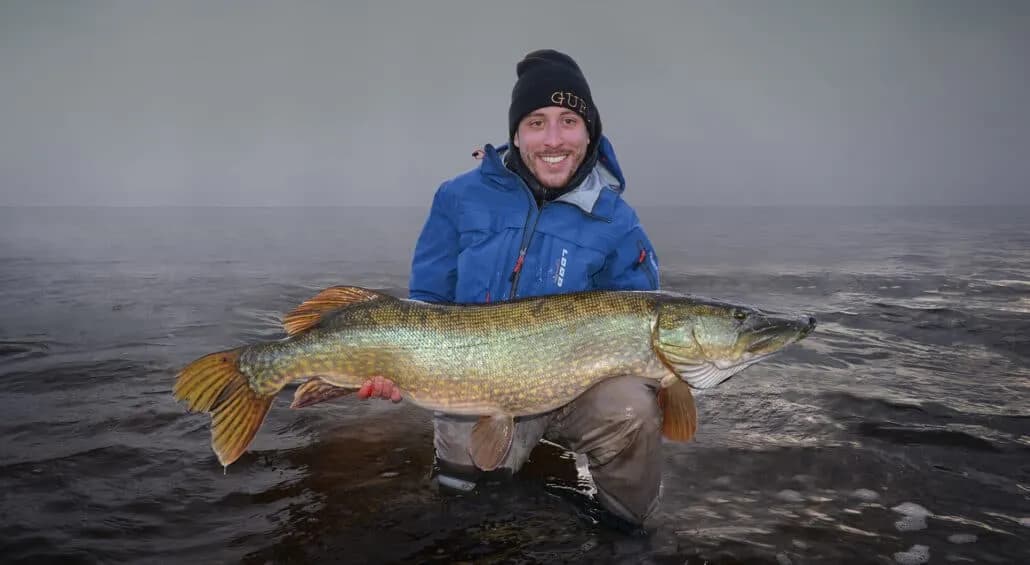
My guiding year in Scotland is a dynamic dance with the seasons, each offering a unique charm and a different quarry. Spring, from March through May, is a time of transition. While the rivers might still be high from winter melt, the first runs of Atlantic Salmon begin to appear, particularly on the River Tay and Tweed. This is also a prime time for Grayling, which offer excellent sport on the fly as the trout season is just beginning to open up.\n\nSummer, from June to August, brings warmer weather and the opportunity for a wider range of species. Trout fishing on rivers and lochs becomes more consistent, with wild brown trout providing challenging sport. Pike fishing can also be excellent during the warmer months, especially in the lochs, offering explosive takes on fly or lure. Sea trout fishing is also a highlight during this period, particularly in the evenings.\n\nAutumn, from September to November, is arguably the peak season for Salmon fishing, with strong runs of fish entering the rivers. The River Tweed, in particular, comes alive with salmon activity. This is also a fantastic time for Grayling, as they become more active and easier to tempt. As the weather cools, Pike fishing can also become more aggressive, with larger specimens often being targeted.\n\nWinter, from December to February, offers a different kind of beauty and a unique fishing experience. While many rivers may be challenging due to conditions, Grayling fishing remains a strong option, providing year-round sport for dedicated anglers. Pike fishing in the lochs also continues to be a viable option, offering a chance at some of Scotland's largest freshwater predators.
Fly FishingPrimary
Salmon FishingAvailable
Trout FishingAvailable
Grayling FishingAvailable
Pike FishingAvailable
Saltwater FishingAvailable
This profile is growing — details are confirmed directly with the lodge.
Exclusive Offers
Direct Booking
No Booking Fees
Book directly with the lodge
VOIAGE Exclusive Offer
Coming Soon
Reserved for the Voiage community