Global Experiences
A Pacific Christmas Island: White Sand Flats and Giant Trevally
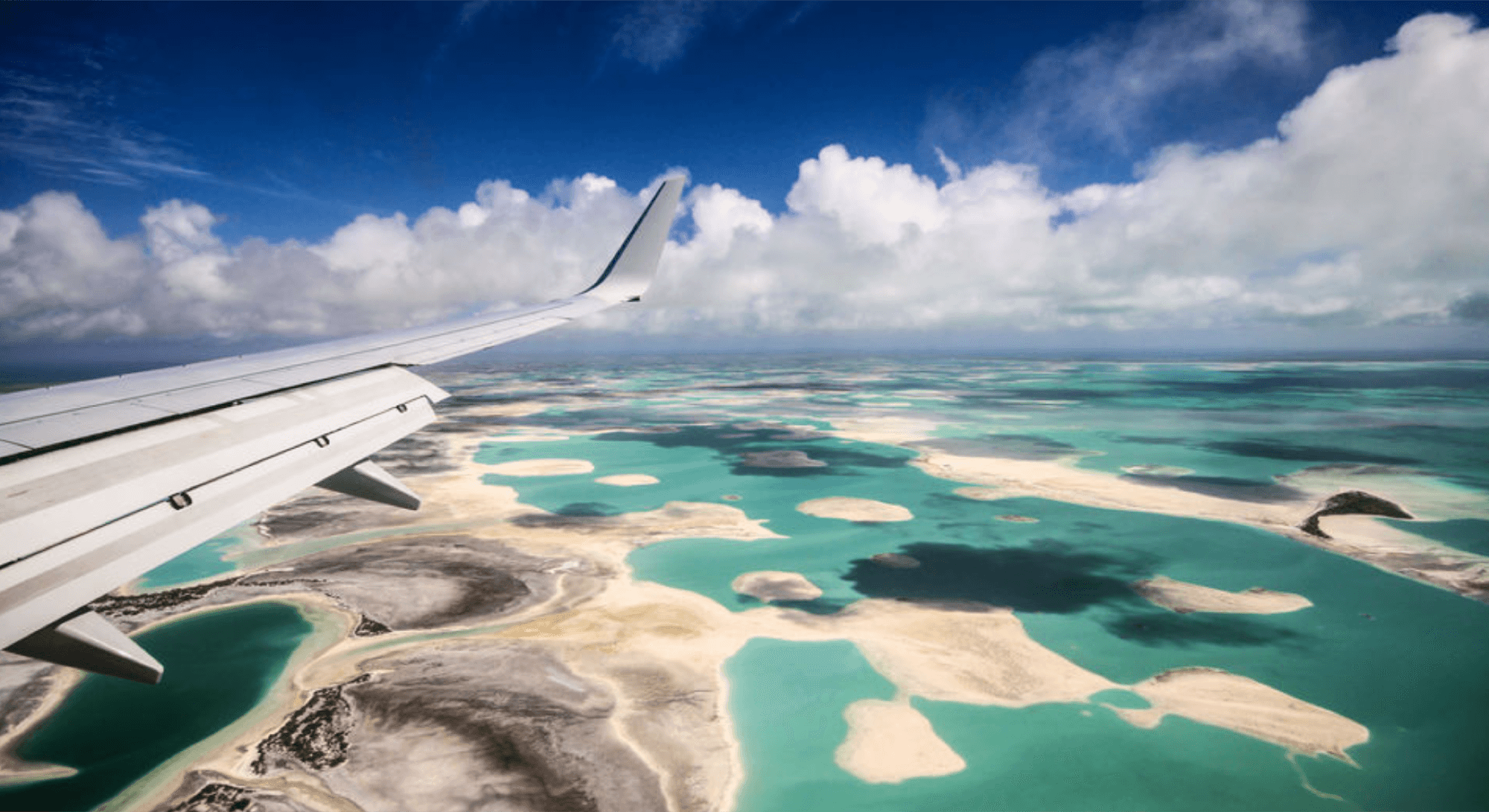
Kiritimati — Christmas Island — is the world's largest coral atoll and its most storied wading fishery: bonefish beyond counting, giant trevally, four kinds of triggerfish, and one flight a week.
A Pacific Christmas Island: White Sand Flats and Giant Trevally
There is one flight a week. It leaves Honolulu on a Tuesday, flies three and a half hours south toward the equator, crosses the International Date Line — you land on Wednesday, a day you never quite lived — and sets you down on an atoll where the water begins shortly after the runway ends. There is no resort waiting. No pool bar, no spa menu, no second flight if you change your mind. What there is: the largest coral atoll on Earth, over 240 square miles of hard white-sand flats, bonefish in numbers that sound like fiction, giant trevally that have owned these channels since before anyone thought to cast at them — and a small brotherhood of anglers who mark their calendars by that Tuesday plane.
This is the trip for the traveler the brochures skip: the one who reads "a mechanical delay can strand you here an extra week" and feels something closer to hope than concern. (Veterans carry travel insurance and describe the risk, accurately, as being marooned in one of the world's great fisheries.) The week runs on the atoll's terms — trucks and outrigger boats out each morning, two anglers to a Kiribati guide whose flats eyesight is a standing marvel of the sport, virtually every cast made on foot at fish you can see, the license bought at the airport when you land (confirm the current fee when booking; published figures vary). You come here to wade. Everything else is commentary.
The island that got the name first
Captain Cook raised the atoll on Christmas Eve, 1777, and named it for the day. Two and a half centuries later the joke has only improved: Kiritimati — the Gilbertese respelling of "Christmas," and pronounced almost exactly like it — sits on the far side of the International Date Line in the UTC+14 time zone, which makes it among the first inhabited places on Earth where Christmas morning arrives. The island named for the holiday gets the holiday first. And for fly anglers, it holds a second distinction that has nothing to do with the calendar: this is the most storied wading fishery on the planet.
Two hundred and forty square miles of flats
Kiritimati is roughly 250 square miles of land wrapped around a lagoon of nearly equal size, 1,200 miles south of Honolulu and a hard day's cast from the equator. Nothing on it rises more than 43 feet above the sea. What it lacks in elevation it returns in flats: over 240 square miles of hard white sand and coral inside the lagoon alone, enough that a week of fishing never repeats a flat. The named ones — Orvis, Paris Texas, Nine Mile, Y Site — are recited by traveling anglers the way golfers recite Augusta's holes, and the unnamed "pancake flats" erupting off the lagoon floor outnumber them hundreds to one.
The weather barely moves all year — the equator's gift — which is why Christmas Island became the template for the modern saltwater trip: fly in, wade for six days, fly out, repeat annually for the rest of your life. Plenty do.
What swims here
Bonefish are the founding argument: fish in numbers that sound like exaggeration until your first afternoon — averaging two to four pounds with genuine shots at bigger singles every week, and hundred-fish weeks entirely on the table for anglers who keep casting. It is, by wide agreement, the best classroom on Earth for learning the saltwater game.
Giant trevally made the island famous a second time — this was one of the original places GTs were targeted on the fly, back in the 1980s — and they still patrol the channels and pancake edges from teenage schoolies to fish past a hundred pounds, delivering the Seychelles experience without the Seychelles invoice.
Triggerfish — four species, from titans to Picassos — tail across the coral like painted terriers with anger issues, and landing one past those hook-crushing teeth is the flats' most underrated achievement. Milkfish school in numbers that darken the water, and the bluewater beyond the reef holds yellowfin, wahoo, and sailfish for anglers who want their morning coffee at trolling speed.
June through August the lagoon runs hot in every sense; the honest answer, though, is that this fishery does not really have an off-season. It has tides.
Where to stay
Four operations host the island's anglers, all honest-comfort rather than plush — the premium here is the fishery, not the thread count — and the week traditionally closes with a pig roast whichever roof you choose. The non-angling program, such as it is: a beach walk, a snorkel, birdlife with a Galapagos accent, and relics of the island's WWII and nuclear-testing history.
Ikari House — in the village of London, facing the ocean breeze: double-occupancy rooms with private baths and ice-cold air-conditioning, and the operation most often named the island's best all-around for accommodations, food, and guide team by agents who have stayed at all four. View the lodge →
Christmas Island Lodge — the renovated one, on twenty beachfront acres of the northern coast: coral-stone, thatch-roofed bungalows for ten to twelve anglers, the only private rooms on the island, en-suite baths, Starlink, a swimming lagoon, and an open-air lounge steps from the surf. View the lodge →
The Villages — the heritage operation, long favored by traveling anglers and their booking agents: the classic Christmas Island program, run to the rhythm of the Tuesday flight for decades. View the lodge →
Christmas Island Outfitters — the smallest and most secluded: four private beachfront bungalows, a maximum of eight anglers a week, and the quietest evenings on the atoll. View the lodge →
Captain Cook Hotel — the original: government-run since 1975 on the footings of the old British base, and the address where the island's fishing tourism began. Twenty thatched bungalows and two dozen air-conditioned rooms near the airport, a private bathing lagoon, the Frigate Bar, and a weekly luau with fresh lobster. Simpler than the dedicated fishing lodges — but the most storied roof on the atoll, named for the man who found the place on Christmas Eve. View the lodge →
One navigational note: this is Kiritimati, the Pacific atoll in the Republic of Kiribati. If your search turned up Swell Lodge, red crabs, and whale sharks, that's Australia's Christmas Island — a spectacular national-park island in the Indian Ocean, and a different trip entirely. The bonefish live here.
Christmas at Christmas Island
And yes — the holiday week itself books out the way you'd expect for the one island on Earth where the name, the date line, and the bonefish all align. If spending December 25 somewhere Christmas arrives first, twelve hundred miles from the nearest traffic light, with a giant trevally as your gift to yourself sounds like the right kind of tradition: those weeks go earliest. Book the better part of a year out, and confirm the holiday flight schedule when you do.
Before you go
Is Christmas Island good for a first saltwater trip? It may be the best on Earth — forgiving bonefish in extraordinary numbers, wading instead of casting from a rocking skiff, guides who teach as they spot, and enough species that the week escalates with your confidence.
What do I bring? An 8-weight for the bonefish, a 10 to 12 for the GTs, flats boots you trust (the coral is real), and more sun protection than seems reasonable. Gear support on the island is limited — arrive self-sufficient and treat the lodges' fly stock as backup.
Christmas Island's operations are profiled in the VOIAGE atlas — lodges across 66 countries, searchable by species, season, method, and values. No booking fees, ever. Start with the atlas →